Po'o Academy - Programs
Programs of Study Overview
|

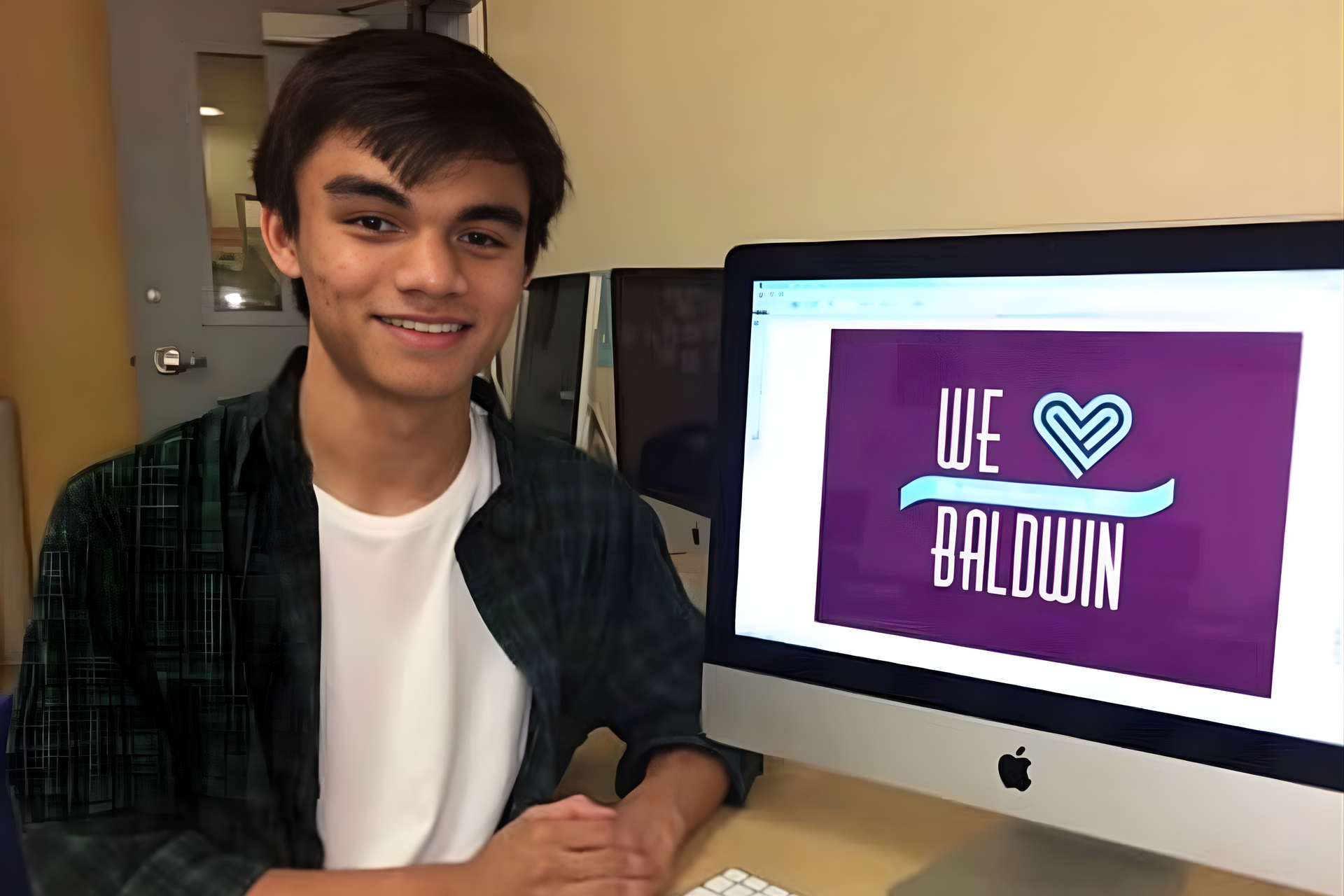 |
Digital DesignThe Digital Design program is designed to provide students with the knowledge and skills to use industry-standard software to create multimedia projects, web pages, three-dimensional models, and animations. Students will also acquire project management and entrepreneurship knowledge and skills to support independent and small business operations. |
Digital Design Course Offerings
FOUNDATIONS OF CREATIVE MEDIA (TCC1000) Grade 10 1 Credit/Year
Foundations of Creative Media is an introductory course designed to inform students about careers in creative media, including digital design and digital film production. This Level 1 course serves as the foundation course for both the Digital Design and Film & Media Production programs of study. Upon completion of the course, a proficient student will be able to explain what comprises the creative media industry sector, explain principles of digital design and its influences, demonstrate basic knowledge of digital camera and video equipment, and create a digital photo collection using design and equipment knowledge. A student will also be able to describe various occupations and outline the steps necessary to advance in specific careers. As part of a studentʻs program of study progression, the student will create a digital program of study portfolio providing evidence of mastery of course standards and readiness to advance and complete the program of study.
DIGITAL DESIGN 1 (TCD2000) Grade 11 1 Credit/Year
Prerequisite: Must attain a passing grade in Foundations of Creative Media
Digital Design 1 is the second course in the Digital Design program of study designed to introduce students to the digital design process and the creation of basic design work and page layouts reflective of the process. Upon completion of the course, a proficient student will be able to explain artistic intent and influence, summarize ADA guidance, apply design software techniques, conceptualize and create photographs and illustrations of increasing complexity, and produce basic single and multi page layouts. As part of a studentʻs program of study progression, the student will create a digital program of study portfolio providing evidence of mastery of course standards and readiness to advance and complete the program of study.
DIGITAL DESIGN 2 (TCD3000) Grade 12 1 Credit/Year
Prerequisite: Grade of C or better in Digital Design 1
Digital Design 2 is the third course in the Digital Design program of study designed to prepare students for advanced design work in the field of digital design. Students will utilize various design software (development and editing) programs and camera/lighting equipment in varying degrees of complexity to create web and 3-dimensional works. Upon completion of the course, a proficient student will be able to create a basic web page layout, conceive and create 3-dimensional models, develop an animation storyboard and apply the principles of animation in the creation of 3-dimensional animation, and produce a digital artwork collection to showcase. As part of a studentʻs program of study progression, the student will create a digital program of study portfolio providing evidence of mastery of course standards and readiness to advance and complete the program of study.
DIGITAL DESIGN WBL (TCD4100) Grade 12 1 Credit/Year
Prerequisite: Grade of C or better in Digital Design 2
Digital Design: WBL is the capstone course in the Digital Design program of study. It is intended to provide a work-based learning experience for students to develop further understanding of professional issues, utilize employability skills, and demonstrate mastery of academic and technical skills learned throughout this program of study. The work-based learning experience provides opportunities to apply and practice the knowledge and skills learned in previous courses and gives students hands-on practical experiences related to professions in the digital design industry. Upon completion of the course, a proficient student will be able to discern multiple pathways to a career in digital design, necessary steps toward applying for a postsecondary program, necessary steps toward applying for a job, and reflect on program goals and aspirations. Instruction will be delivered through the classroom environment in conjunction with a work-based learning placement, such as an internship. The student will finalize a digital course portfolio providing evidence of mastery of the program standards and readiness for postsecondary and the workforce.
 |
Film & Media Production
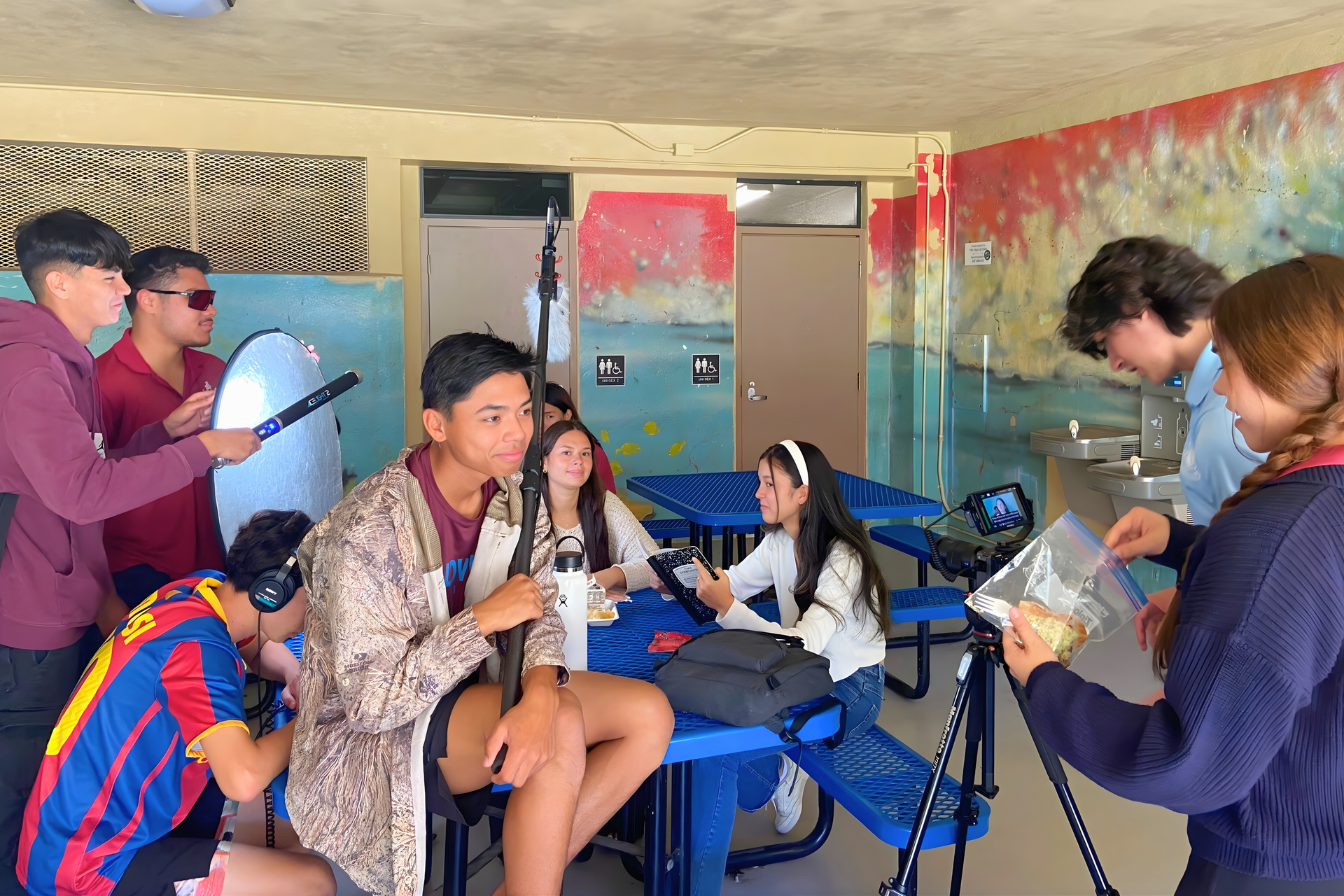
The Film and Media Production program is designed to provide students with the knowledge and skills to obtain an entry-level career in the industry and/or pursue advanced learning at the collegiate level. Students will learn the skills necessary for jobs within the industry (commercial studios, production companies, and television), including production, direction, artistry and set design, camera operation, script editing and supervision, etc. |
Film & Media Production Course Offerings
DIGITAL VIDEO TECHNOLOGY (TCV2000) Grade 11 1 Credit/Year
Prerequisite: Must attain a passing grade in Foundations of Creative Media
Digital Video Technology is the second course in the Film & Media Production program of study designed to introduce students to the post-production process for digital film/video. Upon completion of the course, a proficient student will be able to demonstrate basic digital video and audio recording skills, video and audio uploading and editing techniques, and explain the film production process from concept to completion. As part of a studentʻs program of study progression, the student will create a digital program of study portfolio providing evidence of mastery of course standards and readiness to advance and complete the program of study.
FILM AND MEDIA PRODUCTION 1 (TCP3000) Grade 12 1 Credit/Year
Prerequisite: Must attain a grade of C or better in Digital Video Technology
Film & Media Production 1 is the third course in the Film & Media production program of study designed to introduce students to industry and equipment skills used in film production. Upon completion of the course, a proficient student will demonstrate basic production plan process skills including script writing, storyboard creation, stage setting, lighting equipment and video/audio recording and production editing. A proficient student will also demonstrate basic safety knowledge and protocols that are followed throughout a production process. As part of a studentʻs program of study progression, the student will maintain a digital program of study portfolio providing evidence of mastery of course standards and readiness to advance and complete the program of study.
FILM AND MEDIA PRODUCTION 2 (TCP4000) Grade 12 1 Credit/Year
Prerequisite: Must attain a grade of C or better in Film and Media Production 1
Film and Media Production 2 is the fourth course in the Film and Media Production program of study designed to have students produce an original digital short film. Students will utilize production equipment and editing software in varying degrees of complexity. Upon completion of the course, a proficient student will be able to create a script, design a storyboard, create a complete film production plan, and implement the plan to create an original creative work. As part of a student’s program of study progression, the student will maintain a digital program of study portfolio providing evidence of mastery of the course standards and readiness to advance and complete the program of study
FILM AND MEDIA PRODUCTION WBL (TCP4100) Grade 12 1 Credit/Year
Prerequisite: Must attain a grade of C or better in Film and Media Production 1
Film and Media Production: WBL is the capstone course in the Film and Media Production program of study. It is intended to provide a work-based learning experience for students to develop further understanding of professional issues, utilize employability skills, and demonstrate mastery of academic and technical skills learned throughout this program of study. The work-based learning experience provides opportunities to apply and practice the knowledge and skills learned in previous courses and gives students hands-on practical experiences related to professions in film and media production. Upon completion of the course, a proficient student will be able to discern multiple pathways to a career in film and media production, necessary steps toward applying for a postsecondary program, necessary steps toward applying for a job, and reflect on program goals and aspirations. Instruction will be delivered through the classroom environment in conjunction with a work-based learning placement, such as an internship. The student will finalize a digital course portfolio providing evidence of mastery of the program standards and readiness for postsecondary and the workforce.
 |
Fashion & Artisan Design
The Fashion and Artisan Design program is designed to support students who desire to pursue a career in cultural-related artistry and fashion mediums. Students will also acquire project management and entrepreneurship knowledge and skills to support independent and small business operations. |
Fashion & Artisan Design Course Offerings
FOUNDATIONS OF FASHION & ARTISAN DESIGN (TCO1000) Grade 10 1 Credit/Year
This course is an introductory course designed to inform students about careers in fashion and craftwork design. This Level 1 course serves as the foundation course for the Fashion & Artisan Design program of study. Upon completion of the course, a proficient student is able to explain the impact of fashion and craftwork on art, explain and utilize design elements, and create simple fashion or craftwork design artifacts. A student will also be able to describe various occupations and outline the steps necessary to advance in specific careers. As part of a student’s program of study progression, the student will create a digital program of study portfolio, providing evidence of mastery of course standards and readiness to advance and complete the program of study.
FASHION AND ARTISAN DESIGN 1 (TCA2000) Grade 11 1 Credit/Year
Prerequisite: Must attain a passing grade in Foundations of Fashion & Artisan Design
This course is the second course in the Fashion and Artisan Design program of study designed to introduce students to typical design process, artistic impressions, and small business marketing. Upon completion of the course, a proficient student will be able to explain artistic intent, demonstrate basic fashion and craftwork applications, applied mathematics, freehand and CAD design processes, and basic business marketing and communications. As part of a student’s program of study progression, the student will create a digital program of study portfolio, providing evidence of mastery of course standards and readiness to advance and complete the program of study.
FASHION AND ARTISAN DESIGN 2 (TCA3000) Grade 11 1 Credit/Year
Prerequisite: Must attain a C or better in Fashion & Artisan Design 1
Fashion and Artisan Design 2 is the third course in the Fashion and Artisan Design program of study designed to prepare students for advanced work in the fields of fashion and craftwork and small business principles. Upon completion of the course, a proficient student will demonstrate small business concepts and produce showcase artifacts in fashion or craftwork. As part of a student’s program of study progression, the student will maintain a digital program of study portfolio, providing evidence of mastery of course standards and readiness to advance and complete the program of study.
FASHION AND ARTISAN DESIGN WBL (TCA4100) Grade 12 1 Credit/Year
Prerequisite: Must attain a C or better in Fashion & Artisan Design 2
Fashion & Artisan Design: WBL is the capstone course in the Fashion & Artisan Design program of study. It is intended to provide a work-based learning experience for students to develop further understanding of professional issues, utilize employability skills, and demonstrate mastery of academic and technical skills learned throughout this program of study. The work-based learning experience provides opportunities to apply and practice the knowledge and skills learned in previous courses and gives students hands-on practical experiences related to professions in fashion and craftwork design. Upon completion of the course, a proficient student will be able to discern multiple pathways to a career in fashion and craftwork design, necessary steps toward applying for a postsecondary program, necessary steps toward applying for a job, and reflect on program goals and aspirations. Instruction will be delivered through the classroom environment in conjunction with a work-based learning placement, such as an internship. The student will finalize a digital course portfolio providing evidence of mastery of the program standards and readiness for postsecondary and the workforce.

 |
Marketing Management
The Marketing Management program is designed to provide students with the knowledge and skills necessary to conceive, plan, and launch marketing campaigns aligned with business goals, goods, and consumers - across industries, business structures, and domestic/ international. Acquired skills will include the use of data analytics to drive marketing decision-making. |
Marketing Management Course Offerings
FOUNDATIONS OF BUSINESS AND MARKETING (TBB1000) Grades 10 1 Credit/Year
Foundations of Business & Marketing is an introductory course designed to inform students about careers in various sectors of business, as well as basic business concepts. This Level 1 course serves as the foundation course for the Business Management, Entrepreneurship, Financial Management, Marketing Management, and Supply Chain and Logistics Technology programs of study. Upon completion of the course, a proficient student will have foundational knowledge of business and business-related occupations and concepts, including management, finance, marketing, and entrepreneurship and how each intertwines. As part of a student’s program of study progression, the student will create a digital program of study portfolio, providing evidence of mastery of course standards and readiness to advance and complete the program of study.
ADVERTISING AND PUBLIC RELATIONS (TBR2000) Grades 11 1 Credit/Year
Prerequisite: Must attain a passing grade in Foundations of Business and Marketing
Advertising & Public Relations is the second course in the Marketing Management program of study designed to prepare students for the marketing world by examining basic principles in advertising, such as market segmentation, research, and building promotional campaigns. Upon completion of the course, a proficient student will be able to describe and apply multiple aspects of advertising and public relations concepts that keep a business in the consumer’s mind through channels such as print, social media, and public relations. As part of a student’s program of study progression, the student will maintain a digital program of study portfolio, providing evidence of mastery of course standards and readiness to advance and complete the program of study.
DIGITAL MARKETING AND MARKETING ANALYTICS (TBD3000) Grade 12 1 Credit/Year
Prerequisite: Must attain a grade of C or better in Advertising and Public Relations
This is the third course in the Marketing Management program of study designed to inform students about marketing in the digital world. Students prepare for the world of business by examining the uses, marketing strategies, and data generated by social media marketing. Upon completion of the course, a proficient student will be able to describe and apply the process of building a promotional campaign through digital means and the applied use of data contained in these methods to drive market research. As part of a student’s program of study progression, the student will maintain a digital program of study portfolio, providing evidence of mastery of course standards and readiness to advance and complete the program of study.
MARKETING OPERATIONS (TBM4000) Grade 12 1 Credit/Year
Prerequisite: Must attain a grade of C or better in Digital Marketing and Marketing Analytics
Marketing Operations is the fourth course in the Marketing Management program of study designed to inform students about the use of promotional concepts, visual merchandising, marketing campaigns, and the use of marketing information management to inform product choice and consumer sales. Upon completion of the course, a proficient student will be able to develop marketing and promotional plans based on consumer desires and needs. As part of the student’s program of study progression, the student will maintain a digital program of study portfolio providing evidence of mastery of the course standards and readiness to advance and complete the program of study.
MARKETING WBL (TBM4100) Grade 12 1 Credit/Year
Prerequisite: Must attain a grade of C or better in Digital Marketing and Marketing Analytics
Marketing: WBL is the capstone course in the Marketing Management program of study. It is intended to provide a work-based learning experience for students to develop further understanding of professional and ethical issues, utilize employability skills, and demonstrate mastery of academic and technical skills learned through the program of study. The work-based learning experience provides opportunities to apply and practice the knowledge and skills learned in previous courses and gives students hands-on practical experiences related to professions in marketing, marketing management and related fields of occupation. Upon completion of the course, a proficient student will be able to discern multiple pathways to a career in marketing, necessary steps toward applying for a postsecondary program, necessary steps toward applying for a job, and reflect on program goals and aspirations. Instruction will be delivered through the classroom environment in conjunction with a work- based learning placement, such as an internship. The student will finalize a digital course portfolio providing evidence of mastery of the program standards and readiness for postsecondary and the workforce.

 |
Programming
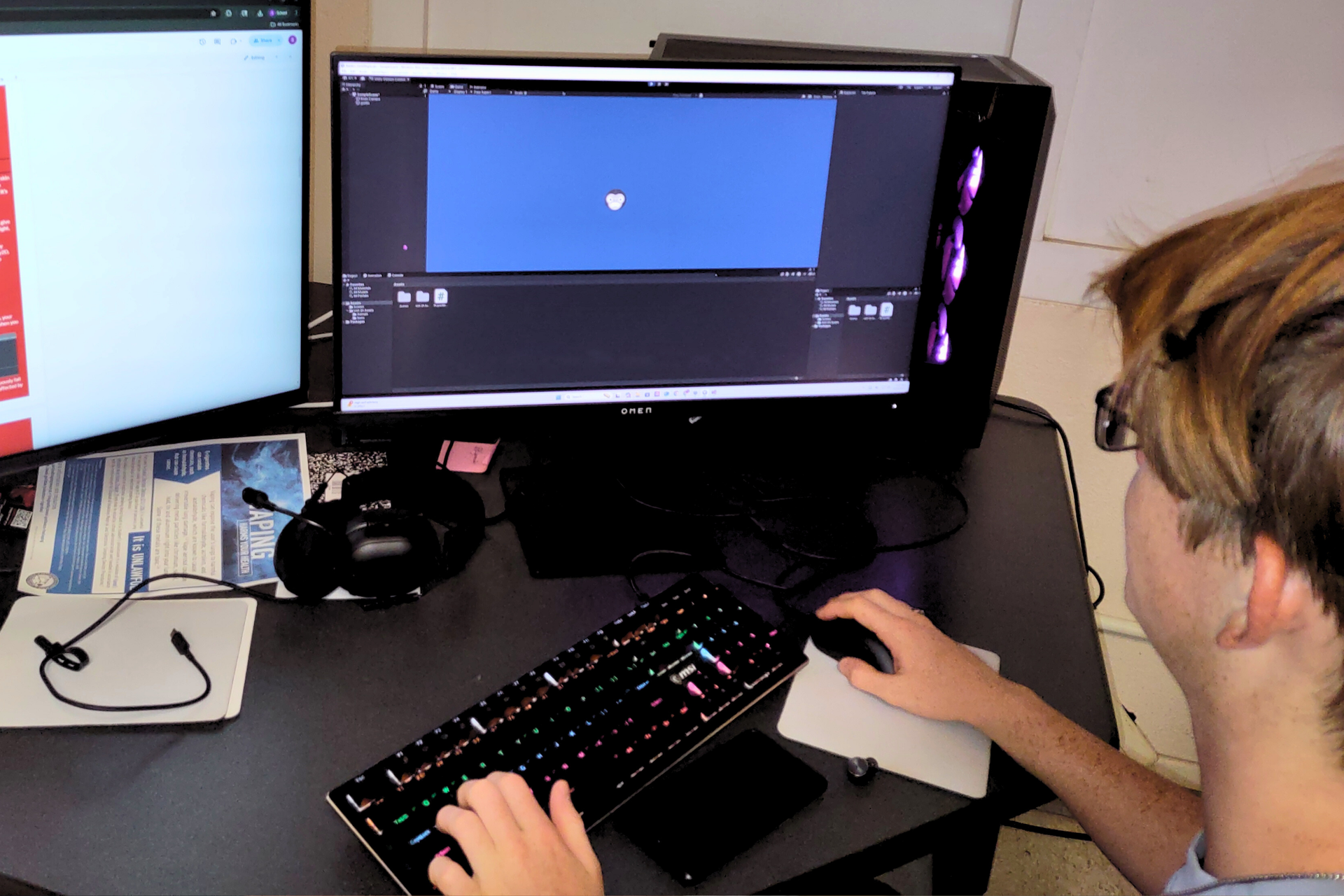
The Programming program is designed to provide students with the knowledge and skills necessary to conduct program and coding techniques, utilize logic tools, and design and development methodologies to create applications in multiple mediums and for various sources. |
Programming Course Offerings
FOUNDATIONS OF COMPUTER SYSTEMS AND TECHNOLOGY (TIF1000)
Grade 10-12 1.0 Credit/Year
Foundations of Computer Systems and Technology is an introductory course designed to inform students about careers in the information technology sector and basic technologies. This Level 1 course serves as the foundation course for the Artificial Intelligence, Programming, Networking, Cybersecurity, Web Design & Development programs of study. Upon completion of the course, a proficient student will be able to describe various information technology occupations and outline the steps necessary to advance in specific careers, demonstrate basic knowledge of computer hardware components and processes, and distinguish foundational concepts in multiple information technology disciplines. As part of a student’s program of study progression, the student will create a digital program of study portfolio, providing evidence of mastery of course standards and readiness to advance and complete the program of study.
AP COMPUTER SCIENCE PRINCIPLES (ECS9800) Grades 10-12 1.0 Credit/Year
The AP Computer Science Principles course is designed to be equivalent to a first-semester introductory college computing course. The curriculum framework provides a detailed description of the course content. The key sections of this framework are described in the following text: -computational thinking practices (connecting computing, creating computational artifacts, abstracting, analyzing problems and artifacts, communicating, collaborating) -seven big ideas (creativity, abstraction, data and information, algorithms, programming, the internet, global impact) -learning objectives that integrate computational thinking practice or skill -essential knowledge statements.
PROGRAMMING 1 (TIP2000) Grades 11-12 1.0 Credit/Year
Prerequisite: Foundations of Computer Systems and Technology or AP Computer Science Principles
Programming 1 is the second course in the Programming program of study designed to introduce students to foundational programming knowledge and basic skills in Python, Java, and C# languages, which are utilized by programmers in mobile app and game development. Upon completion of the course, a proficient student will be able to break down the elements of the software development cycle and explain the role specific universal programming components and tools play in programming languages and for programmers. A proficient student will also be able to demonstrate the ability to summarize the key programming elements that comprise Python, Java, and C#, as well as write and run basic programs using those languages. As part of a student’s program of study progression, the student will maintain a digital program of study portfolio, providing evidence of mastery of course standards and readiness to advance and complete the program of study.
AP COMPUTER SCIENCE A (ECS9500) Grades 11-12 1.0 Credit/Year
Prerequisite: Foundations of Computer Systems and Technology or AP Computer Science Principles
This course prepares high school students for the Advanced Placement (AP) Computer Science/ AB Examination and is aimed at helping students develop the ability to design and implement computer-based solutions to problems in several application areas; design and select appropriate algorithms and data structures to solve problems; code fluently in a well-structured fashion using an accepted high-level language, e.g., Java; and to identify the major components of a computer system (hardware and software), their relationship to one another, and the roles of these components within the system. Students recognize the ethical and social implications of computer use. AP Computer Science meets the requirements as set forth in the Advanced Placement Computer Science Program course description and is designed to give students the necessary information and skills to program in Java. In addition to the topics studied in Advanced Placement Computer Science A, the Computer Science AB course deals more formally with program verification and algorithm analysis.
PROGRAMMING 2: MOBILE APPLICATIONS DEVELOPMENT (TIP3000) Grades 12 1.0 Credit/Year
Prerequisite: Programming 1 or AP Computer Science A
Programming 2 Mobile Applications Development is the third course in the Programming program of study designed to inform students on the role of mobile applications technologies in society, what comprises a mobile application and the process used for designing one, as well as to prepare students for mobile applications development through the use of a programming language. Upon completion of the course, a proficient student will be able to explain the varied uses of mobile applications in today’s society and the process used to create mobile applications of varied complexities across different operating systems. A proficient student will also be able to demonstrate the writing of a programming language leading to the development of a basic mobile application. As part of a student’s program of study progression, the student will maintain a digital program of study portfolio, providing evidence of mastery of course standards and readiness to advance and complete the program of study.
PROGRAMMING 3: GAME DEVELOPMENT (TIP4000) Grades 12 1.0 Credit//Year
Prerequisite: Programming 2
Programming 3: Game Development is the fourth course in the Programming program of study designed to inform students on the role of gaming technologies in society, the process/cycle and primary elements used for game development, as well as to prepare students for game development through the use of a design concepts/tools, game engine software, and programming. Upon completion of the course, a proficient student will be able to explain the role of gaming in today’s society and the process and tools used to create a game across platforms. A proficient student will also be able to outline a basic game concept and design and demonstrate the use of a game engine and programming language leading to the building of game components/sections. As part of a student’s program of study progression, the student will maintain a digital program of study portfolio, providing evidence of mastery of course standards and readiness to advance and complete the program of study.